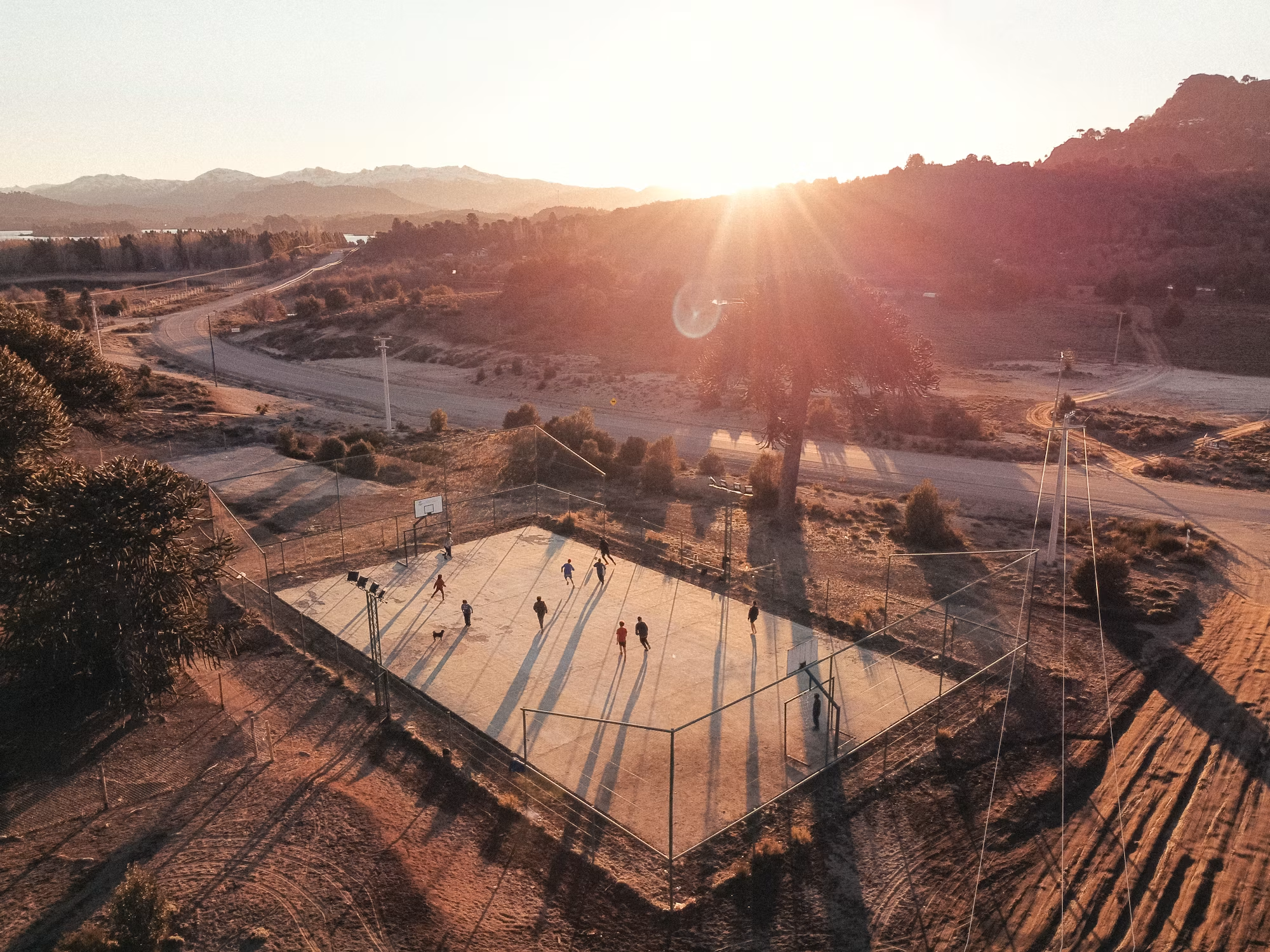
Soccer, known as football to most of the world, transcends being merely a sport; it is a global phenomenon that weaves itself into the very fabric of societies. From bustling urban centers to small rural towns, the love for soccer fosters community, identity, and tradition. This article delves into the cultural significance of soccer, exploring the traditions, fan engagement, and the emotional connections that people around the world share with this beautiful game.
The Historical Roots of Soccer Culture
The origins of soccer can be traced back centuries, with variations of the game being played in different forms across the globe. However, it was in England during the 19th century that modern soccer as we know it today began to take shape. The establishment of standardized rules and the formation of professional leagues laid the groundwork for the sport’s rise in popularity. As soccer spread, it began to develop unique cultural significance in various countries, adapting to local customs and traditions.
In Brazil, for example, soccer is more than just a game; it’s a national passion. The famed Copacabana beach serves as a vibrant stage where people of all ages come together to play, socialize, and celebrate their love for the sport. The Samba and the flair of Brazilian players have turned soccer into an art form, showcasing the unique cultural identity of the nation. This cultural connection is evident in how Brazilians celebrate victories with exuberant parades and passionate gatherings.
Fan Engagement and Community Spirit
The bond between soccer clubs and their fans is unparalleled. In cities around the world, soccer matches become communal events where individuals from different walks of life unite to support their teams. This sense of belonging fosters community spirit, with fans often forming lifelong connections through shared experiences.
In Europe, rivalries between clubs like FC Barcelona and Real Madrid, known as El Clásico, exemplify this fierce dedication. Matches are often charged with emotion, as fans don jerseys, chant songs, and create a colorful atmosphere in the stadiums. These encounters not only reflect athletic competition but also serve as a battleground for regional pride and identity. The energy in the stands can sway the outcome of a match, as the unwavering support of fans pushes players to give their all.
Soccer Traditions: Rituals and Celebrations
The traditions surrounding soccer vary greatly from one culture to another, with each adding a unique flavor to the sport. In Argentina, for instance, fans engage in elaborate rituals to show their support. The fervent chanting of songs, known as “hinos,” echoes throughout stadiums, creating an electrifying atmosphere that fuels the players’ determination. The Argentine culture celebrates soccer with family gatherings, barbecues, and communal viewings of matches, turning games into festive occasions.
In Africa, soccer is a source of immense pride and unity. The continent has produced some of the most talented players in the world, and the local leagues are filled with passionate supporters. The Africa Cup of Nations (AFCON) is a festival of football that brings together nations, showcasing the continent’s vibrant culture. The drums, dances, and colorful attire of the fans create a lively spectacle, reflecting the deep-rooted connection between the sport and the people.
The Role of Soccer in Social Change
Beyond the excitement and entertainment, soccer has played a significant role in promoting social change and addressing societal issues. Players and clubs have harnessed their influence to advocate for important causes, making a positive impact in their communities. Campaigns against racism, gender inequality, and poverty have gained traction within the sport, highlighting the role of soccer as a platform for social justice.
Organizations like FIFA have launched initiatives to promote inclusivity, with programs aimed at engaging underrepresented groups in the sport. The Women’s World Cup has gained immense popularity, showcasing female talent and inspiring young girls around the world to pursue their dreams in soccer. By addressing these issues, the sport reinforces its ability to foster unity and drive positive change.
Soccer as a Global Connector
The global reach of soccer is evident in the diverse fan base that spans continents. Major tournaments such as the FIFA World Cup and the UEFA Champions League capture the attention of millions, bringing together fans from different cultures. The shared love for the game transcends language barriers, creating a sense of camaraderie among supporters worldwide.
During the World Cup, nations rally behind their teams, and the excitement is palpable. From viewing parties in living rooms to large public screens in city squares, the tournament creates a shared experience that connects people. This celebration of soccer highlights its power to bridge divides, foster friendships, and promote cultural exchange.
The Future of Soccer Culture
As we look to the future, the cultural significance of soccer is likely to evolve further. The rise of digital media and social networks has transformed how fans engage with the sport, allowing for greater interaction and connection. Online platforms enable supporters to connect, share experiences, and express their passion for the game, transcending geographical boundaries.
Furthermore, the increasing globalization of the sport means that diverse influences will continue to shape soccer culture. The influx of international players into various leagues enriches the game, as different playing styles and traditions merge to create a dynamic soccer landscape.
Conclusion: The Heartbeat of a Global Community
In conclusion, soccer is more than just a sport; it is a cultural phenomenon that brings people together in celebration, passion, and shared experiences. The traditions, fan engagement, and social impact of soccer highlight its significance in communities around the world. As the beautiful game continues to evolve, it will undoubtedly remain a powerful force for unity, connection, and cultural expression for generations to come.